Packaging & parcel economics

Stop paying to ship air.

Packaging affects material cost, parcel cost, pack-station work, and what arrives at the customer’s door. Most brands buy those pieces separately.

The aim: use the least expensive package that safely fits the order.

Why we look at it

The package is part of the delivery cost.

A box choice changes material spend, dimensional weight, dunnage, packing time, and how the order arrives. Those costs repeat with every shipment.

How it works

Where the savings and customer experience gains come from.

We look at the packaging price, the recurring order mix, parcel charges, and the way the package performs in use.

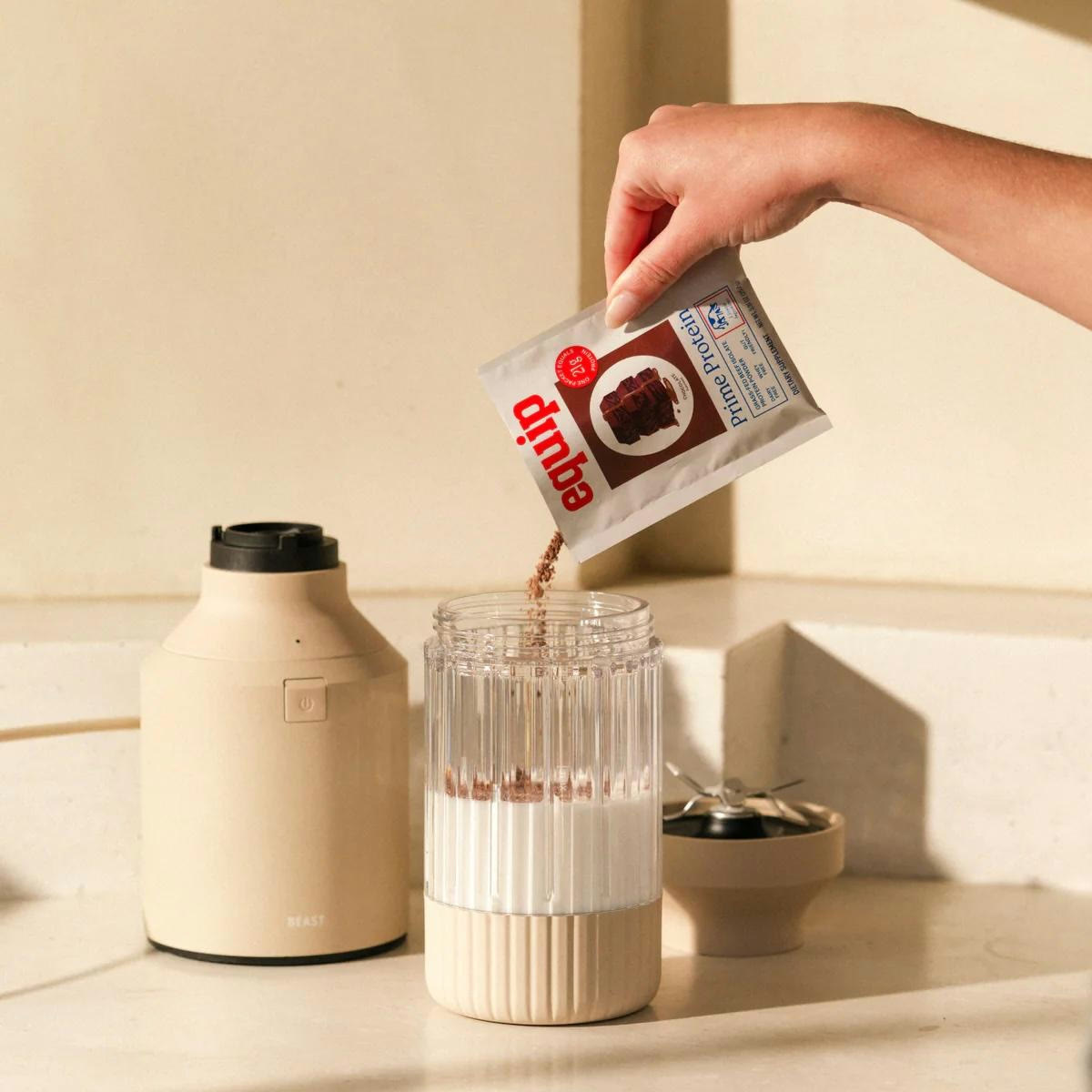
Equip branded pouch packaging
01

Buy the right package

Replace inherited boxes and mailers with a format that protects the product, represents the brand, and makes commercial sense.

  • Material and format choices
  • Supplier terms and minimums
  • Protection without overpacking
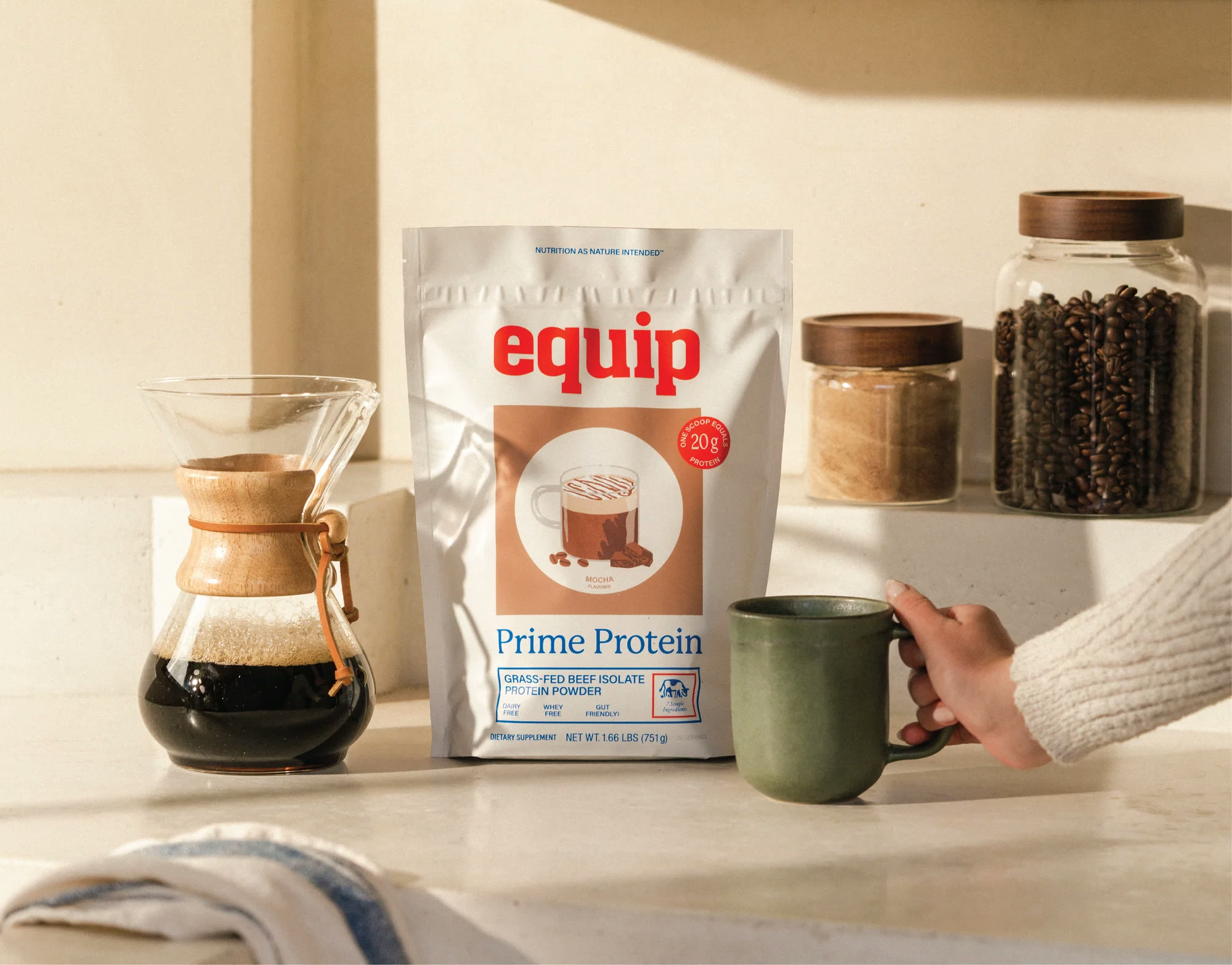
Equip consumer products in branded packaging
02

Match it to the order

Assign each recurring order to the smallest safe package. Some can move from boxes to mailers; others avoid dimensional-weight charges by using a better box size.

  • Less empty space and filler
  • Lower package weight and parcel cost
  • Package choice by order type
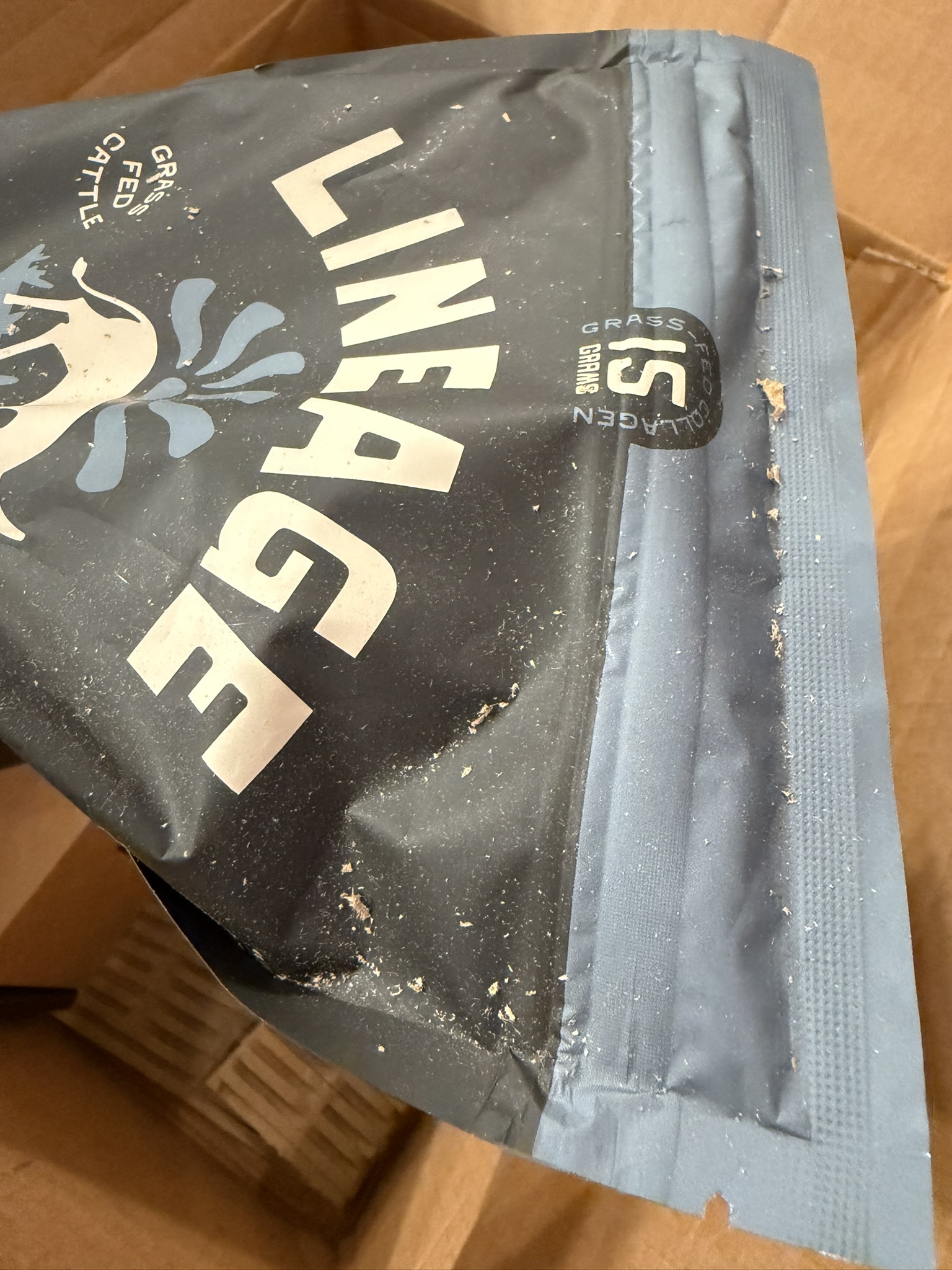
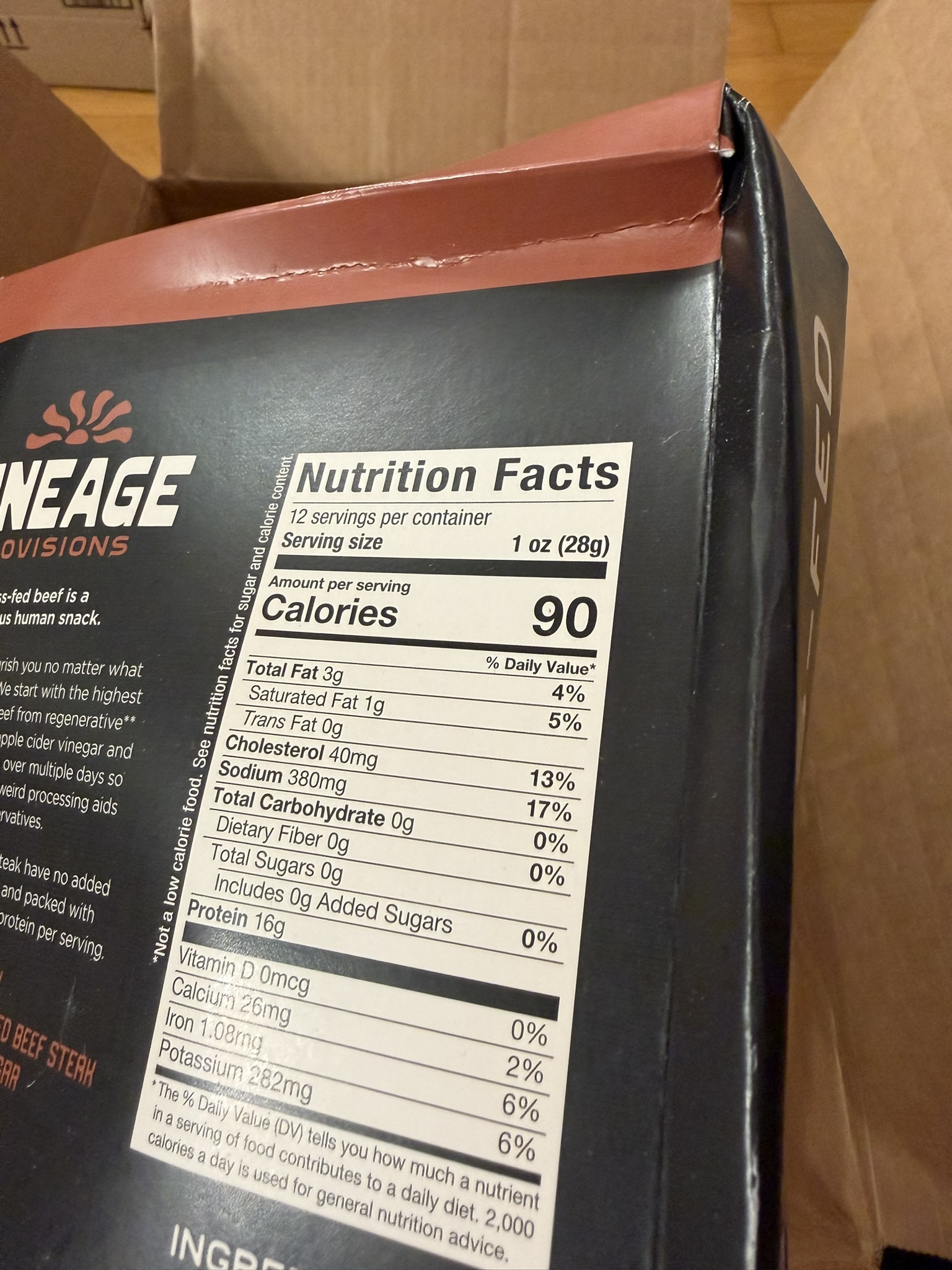
Product pouch with dust after shipmentProduct carton with a damaged seam after shipment
03

Improve the arrival

Empty space creates more dunnage, weight, waste, and room for damage. The same pack-out can also make the warehouse’s job harder.

  • Less loose filler and waste
  • Fewer pack-station exceptions
  • Better product condition on arrival

Lineage pack-out review

We reviewed the 12 most common order types across a 30,000-order monthly mix.

The original pack-out showed where empty space, loose filler, and avoidable weight entered the order. The video is a short, silent excerpt from that review.

45-second accelerated cut from the Lineage unboxing review.

Case studies

What changed at Lineage and Equip.

The methods are similar. The package mix, order volume, protection needs, and commercial result are specific to each brand.

Lineage product carton after shipment
Lineage Provisions

14,308 monthly orders identified for the mailer path.

We mapped a 30,000-order monthly mix into five package paths, then tested packaging and shipping impact by order combination. The program has now run with more than eight months of live performance data.

48%of the order mix routed to mailers
$52Kannual packaging savings in the original mailer model
$44Kannual shipping savings from lower weight brackets
8+ monthsof live program results
Equip product and packaging
Equip Foods

70% of recurring orders moved from boxes to paper mailers.

Equip was shipping 50,000–60,000 orders each month in boxes. We measured the products and common order profiles, kept the orders needing protection in boxes, and built a mailer-first package mix for the rest.

50–60Korders each month
70%of orders suited to paper mailers
~$250Kannual packaging savings
~$80Kannual parcel savings from lower packaging weight

Lineage example

Shipping savings by order type.

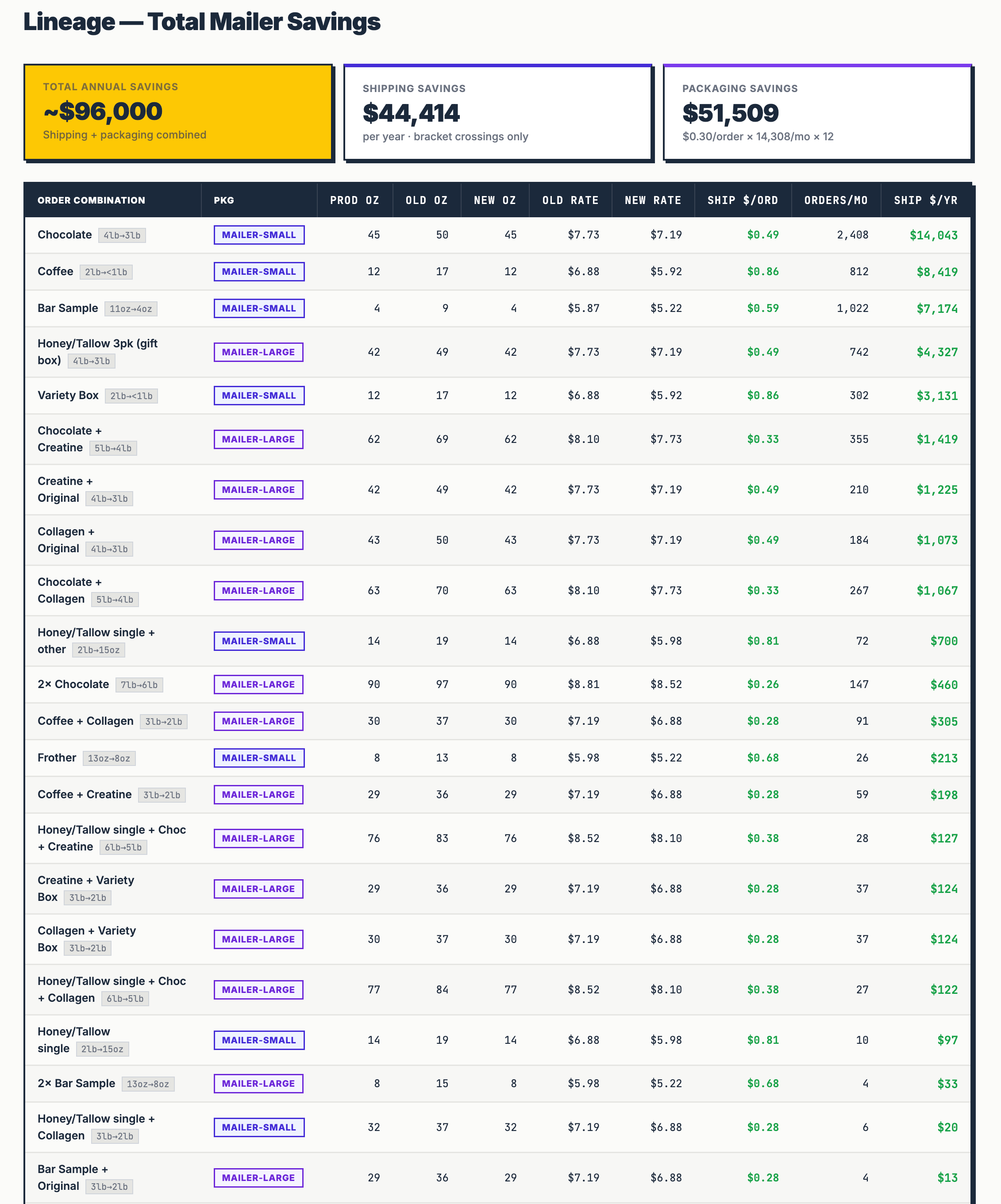
The original mailer model shows the order combinations that crossed into lower weight brackets, their volume, and the annual shipping effect. Packaging savings sit alongside this table, not inside it.

Lineage mailer savings table showing order combinations, weight changes, shipping rates, monthly order volumes, and annual savings
Original Lineage mailer analysis: roughly $52K in packaging savings and $44K in shipping savings within the mailer-eligible order mix.

Method

How we choose a package for an order.

We evaluate order contents against the viable package set, then combine that result with parcel economics and warehouse constraints.

Clients receive an implementable package mix, commercial recommendation, and rollout plan. The exact orientation logic and package rules remain part of the engagement.

What a study covers

What we need to make the recommendation usable.

We show the business case here. The detailed package logic is built around the brand’s products, orders, and warehouse.

Start with the order mix

See whether your current packages fit what you actually ship.

Bring us a recent order export, current package set, and carrier logic. We will help you assess whether a right-sizing program is worth pursuing.

Chat with us